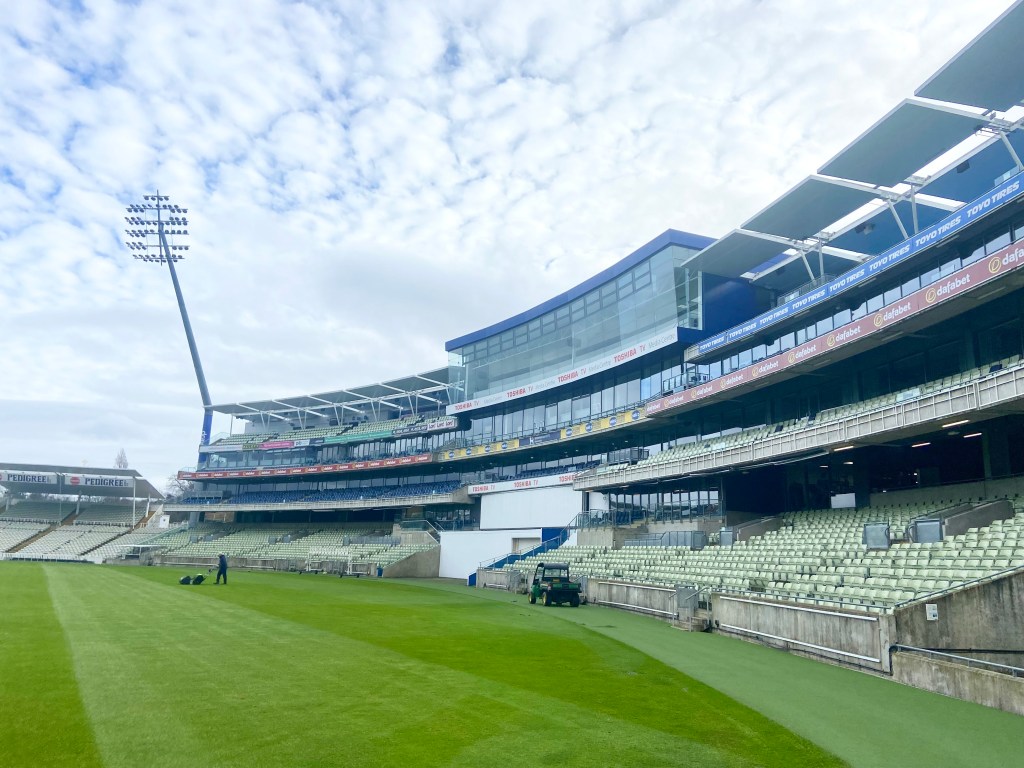
In early 2022 I helped produce a multi-faceted digital strategy that enhanced the communications activities of the iconic English cricket ground, Edgbaston – for both its cricketing and conference & events arms – as well as the two teams that call it their home; Warwickshire County Cricket Club and Birmingham Bears.
The task was to align the brands and develop consistency and clarity of how each communicated across all platforms. The client also wanted support in diversifying their audiences, capturing data, evidencing return on investment and increasing the efficiency of content delivery on matchdays.
In the initial phase, I audited each of Edgbaston’s channels, as well as those of Warwickshire County Cricket Club and Birmingham Bears, to gauge how they compared to their competitors. One of the main points highlighted in this audit was that there was notable ground to be made up on their rivals when it came to social media performance. For instance, despite being County Champions at the time, Warwickshire County Cricket Club was among the three lowest Facebook followings in first-class cricket and was one of the only clubs not to have a TikTok presence.
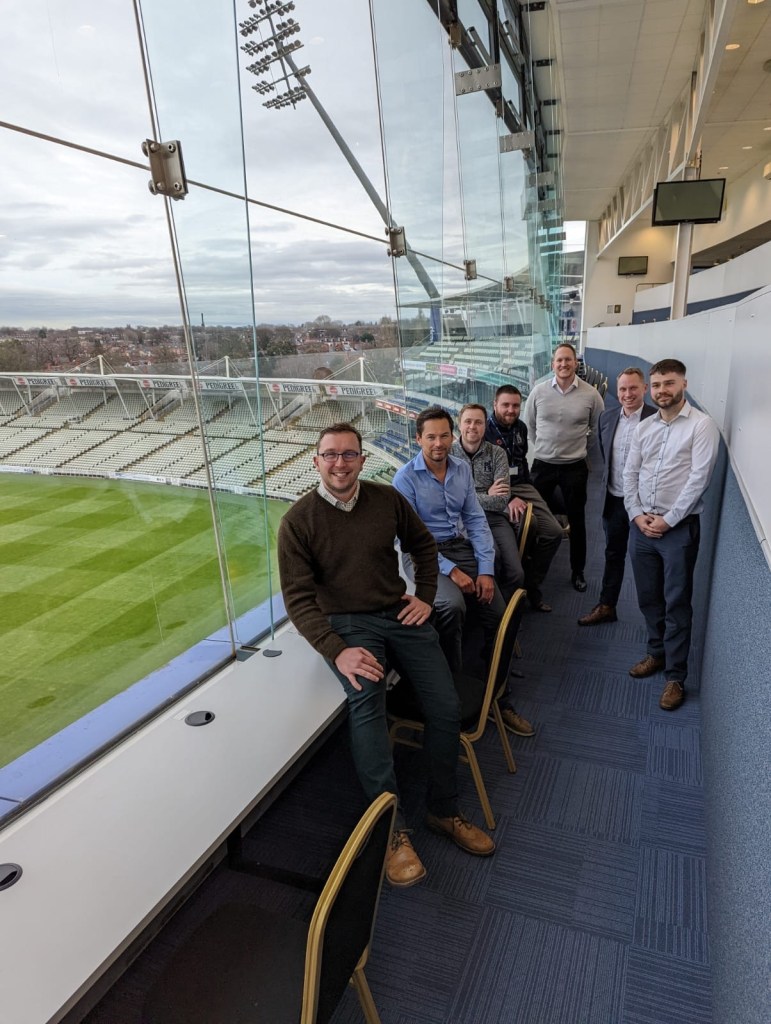
Across a series of working sessions at the magnificent Edgbaston Stadium, a 72-page strategy document was produced in a four-week turnaround. This outlined the roadmap for all the different Edgbaston, Warwickshire Cricket Club and Birmingham Bears channels over the next five years, working towards an agreed target of combined follower growth from 167,000 to 415,000 (248.5% increase).
The strategy detailed a range of content ideas which would go towards growing followers and engagement, highlighting opportunities for quick wins and long-term developments which largely centred on player-focused, behind-the-scenes pieces of content which fans of all sports have come to crave.
Further to this, I produced guidelines as to what content should be shared on particular channels and how it should look, all feeding into a tone-of-voice document that detailed how content would be tailored to better engage new and existing users on each platform.
One of the key stumbling blocks the brands had collectively faced when previously attempting certain aspects of the strategy, was workload. As such, a business case for bringing in extra resource was built into the strategy, detailing how this could support their overarching objectives. This was supplemented by a digital monetisation plan that would bring in a projected £40,000-£120,000 in additional revenue.
It’s still early days and significant progress has already been made – within less than a year, Warwickshire eclipsed more than half of their competitors’ Facebook followings, a notable rise from having the third-least.
 MARC LUTHER THOMAS
Leave a comment